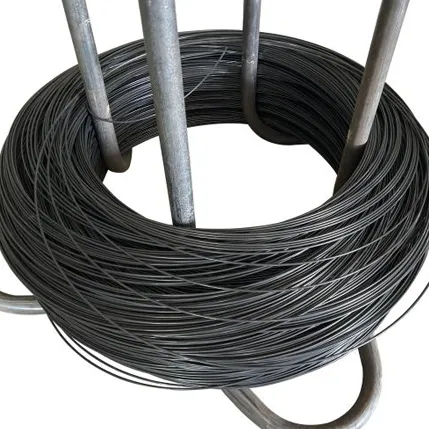
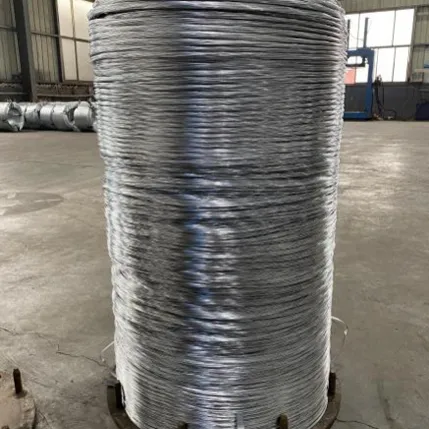
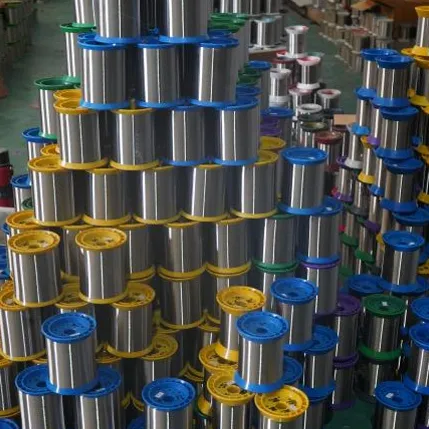
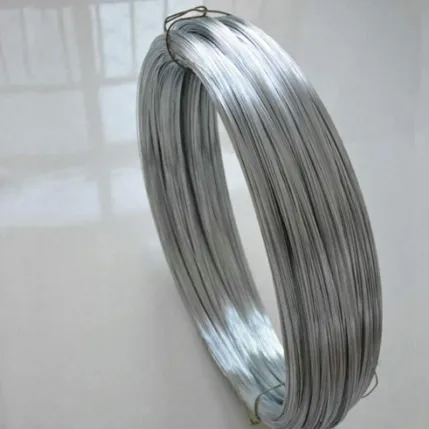
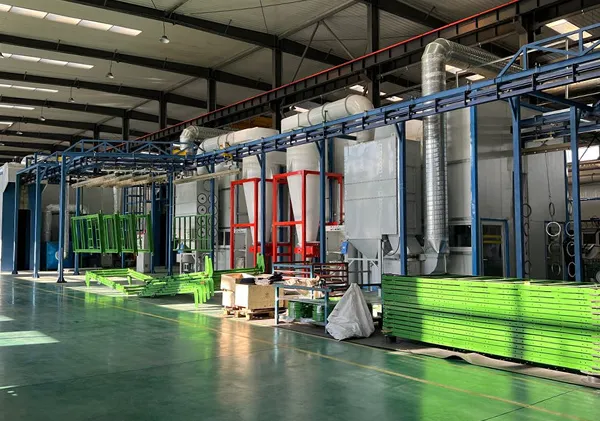
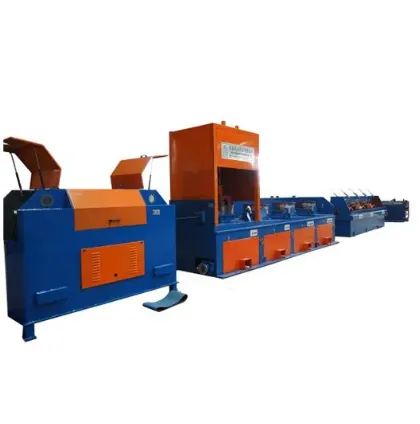
The core principle of high-carbon steel wire drawing is to ensure the high strength and high toughness of the finished product. To achieve this goal, the drawing design includes ensuring the cleanliness and lubrication of the wire rod during the pretreatment stage, ensuring efficient cooling and lubrication during the drawing process, and performing stress relief operations before the finished product is coiled.
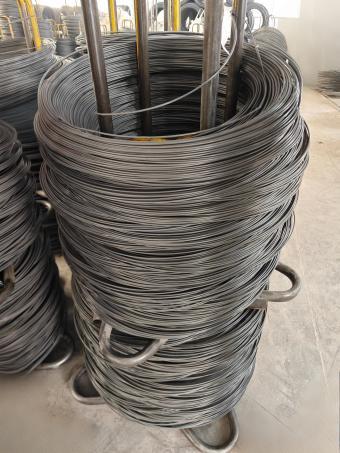
Pretreatment stage: Pickling and phosphating are mature technologies still widely used in industry. Pickling without acid has a narrower application range; excessive drawing passes can reduce the tensile strength of the product, and this method is still in the exploratory stage.
The specific process involves several steps: pickling, washing, phosphating, saponification, and drying.
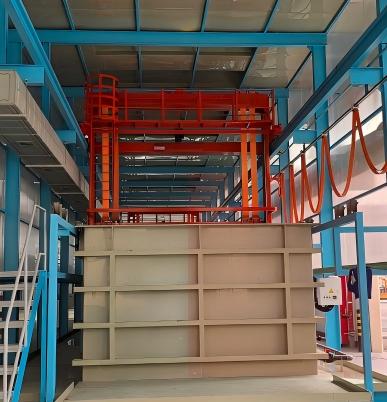
Pickling typically uses hydrochloric acid, which is mainly used to remove oxide rust from the surface of metal wires. During the process, attention should be paid to the amount of inhibitor added and the collection of waste liquid to avoid environmental impact.
High-pressure water washing is used to ensure the effectiveness of the washing process, and the pH of the water solution is controlled to be neutral during the process.
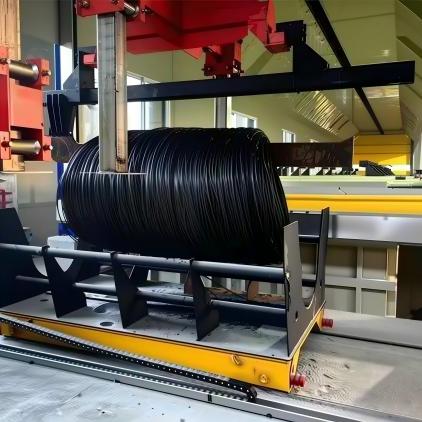
The phosphating process during wire drawing employs medium-temperature zinc salt phosphating, forming a phosphate conversion layer on the surface of the metal wire. This layer enhances the wire's corrosion and wear resistance and also serves as a physical carrier for subsequent lubricants. The entire process is generally carried out at around 70°C, with the duration varying slightly depending on the thickness of the phosphate layer, but should not exceed 7 minutes. The optimal phosphate layer thickness is 10-15 μm.
Saponification serves two purposes: firstly, to neutralize residual acid, and secondly, to allow the saponified material to adhere to the phosphating film, forming a dense, dry, lubricating soap film on the surface of the metal wire.
After phosphating and saponifying, the metal wire should not be left for too long after drying. It is best to carry out the subsequent drawing process within 3 days. If the time is too long, it will affect the saponification effect.
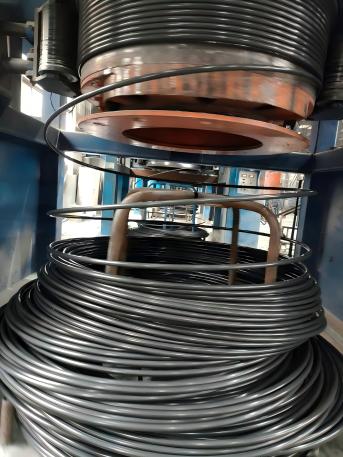
High-carbon steel wire has high deformation resistance and generates a lot of heat during the drawing process, resulting in significant wear on the dies and a high risk of breakage. It is a process that requires precise control. Pre-treated steel wire can significantly reduce the coefficient of friction, reduce die wear, and reduce the risk of hydrogen embrittlement during the drawing process.
M.E. Lucia
Bachelor of Engineering, Master of Science, with a strong interest in mechanical manufacturing and automation.
Experienced in-depth factory practice and gained a comprehensive understanding of mechanical manufacturing processes and automated production.