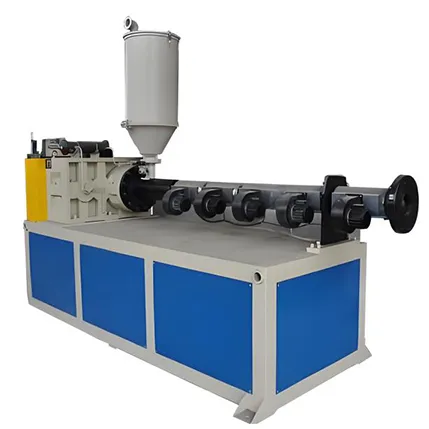
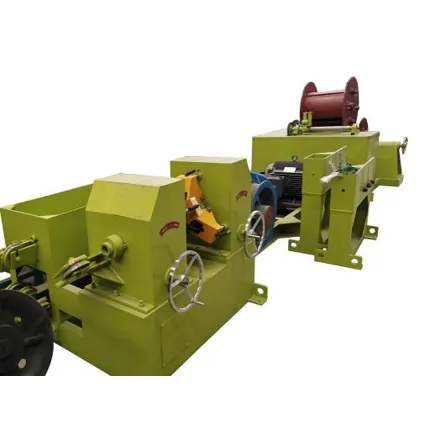
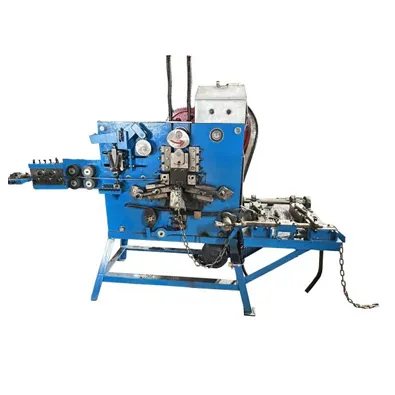
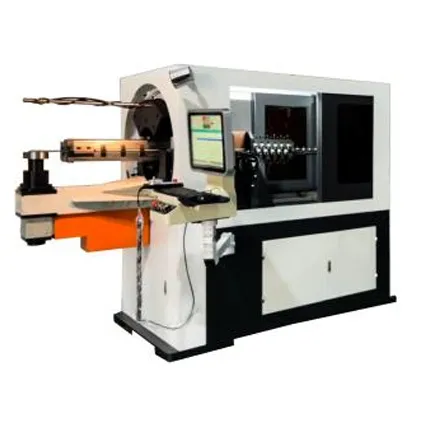
Quick Answer
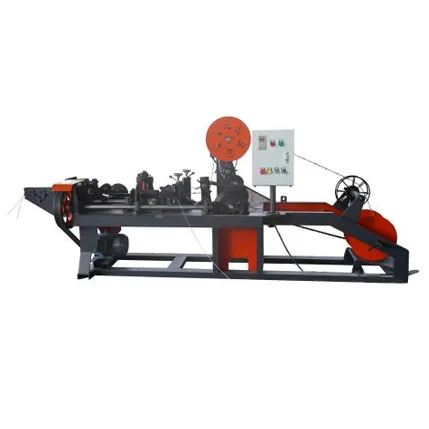
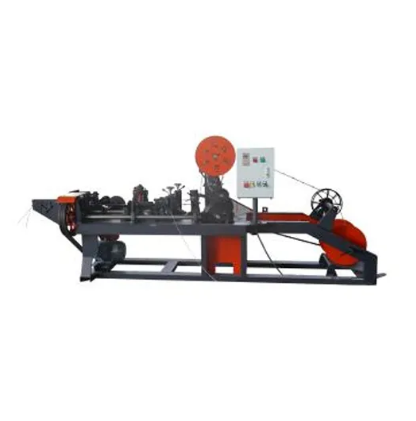
An industrial barbed wire machine automatically feeds steel wire, twists two line wires together, inserts sharp barbs at preset intervals, and winds the finished product into rolls. Modern automatic barbed wire machines integrate wire feeding, barb making, twisting, PLC control, and automatic coiling to achieve continuous, high-speed production for agricultural fencing, livestock farms, security fencing, and infrastructure projects.This article focuses on large industrial barbed wire machines used in manufacturing plants, not manual barbed wire tools or portable fencing equipment.
What Is an Industrial Barbed Wire Machine?
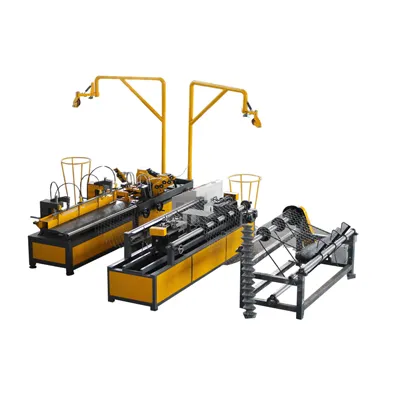
An industrial barbed wire machine is a specialized automated production system that transforms plain steel wires into the familiar twisted barbed wire used for perimeter security and fencing. It simultaneously handles multiple wires: two main line wires that form the core structure and a thinner barb wire that is cut and twisted into sharp points at regular intervals.These machines are essential in modern wire processing factories because manual production is extremely slow, inconsistent, and dangerous. Automatic barbed wire machines dramatically increase output while ensuring uniform barb spacing, tight twisting, and consistent quality — critical factors for both functional performance and market competitiveness.The finished product is widely used in agricultural fencing to contain livestock, highway and railway protection, military perimeters, industrial security zones, and private property boundaries. The ability to produce barbed wire efficiently has made these machines indispensable for manufacturers serving construction, agriculture, and security sectors worldwide.
How Does an Industrial Barbed Wire Machine Work?
Step 1 – Wire Coil Feeding
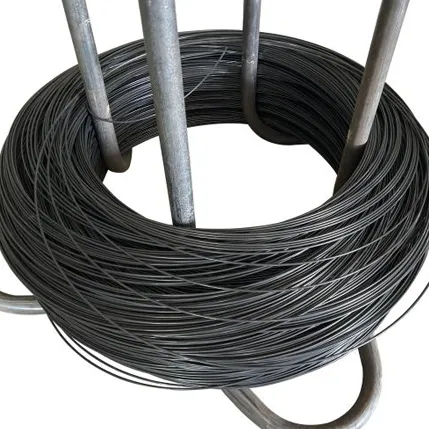
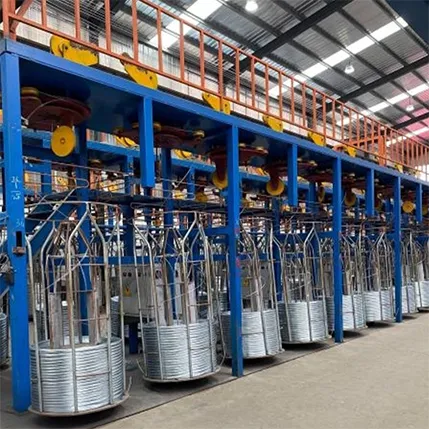
The production process starts with loading two coils of main line wire and one coil of barb wire onto pay-off stands. These stands provide controlled tension to ensure smooth, uninterrupted feeding into the machine. Proper tension control prevents wire tangling and maintains consistent speed throughout the line.
Step 2 – Wire Feeding and Tension Control
Precision feeding rollers pull the wires forward while tension control systems keep all strands at optimal tightness. This synchronization is critical — too loose and the twisting becomes uneven; too tight and wires may break. Modern machines use servo motors and PLC systems for accurate, real-time tension adjustment.
Step 3 – Barb Wire Cutting
The thinner barb wire is fed into a cutting unit where high-precision blades automatically cut it into short segments. These segments will become the sharp points of the finished barbed wire. The cutting length directly determines the barb spacing in the final product.
Step 4 – Barb Twisting Mechanism
The cut barb segments are clamped and twisted around the two main line wires. This is one of the most technically demanding stages. The machine must form secure, sharp barbs that stay firmly in place even under tension. Most industrial machines produce either single-twist or double-twist configurations, with double-twist offering superior strength and security.
Step 5 – Main Wire Twisting
Simultaneously, the two main line wires are twisted together tightly, locking the barbs securely between them. This twisting action gives barbed wire its characteristic strength and prevents barbs from sliding along the line wires.
Step 6 – Automatic Coiling
Once the barbed wire is fully formed, an automatic coiling unit winds it into neat, manageable rolls of standard weight or length. The finished coils are then ready for packaging and distribution.
Main Components of an Industrial Barbed Wire Machine
| Component | Function |
|---|
| Pay-off Stand | Holds and feeds wire coils smoothly |
| Feeding Rollers | Advance wires at controlled speed |
| Tension System | Maintains stable wire tension |
| Barb Cutting Unit | Cuts barb wire into segments |
| Twisting Head | Forms and attaches barbs |
| Main Twisting Shaft | Twists line wires together |
| PLC Control System | Automates and monitors operation |
| Coiling Unit | Winds finished barbed wire into rolls |
Barbed Wire Manufacturing Process
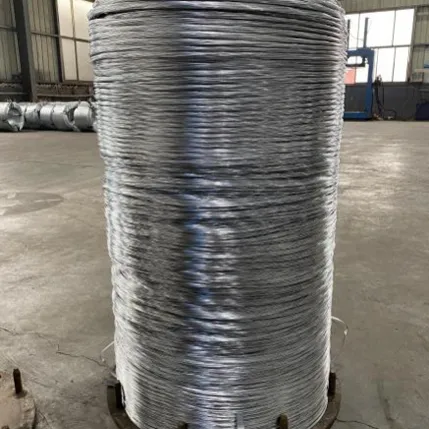
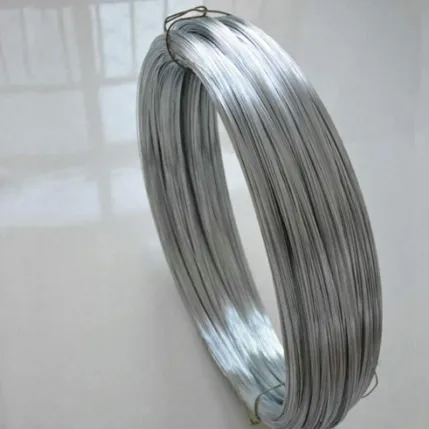
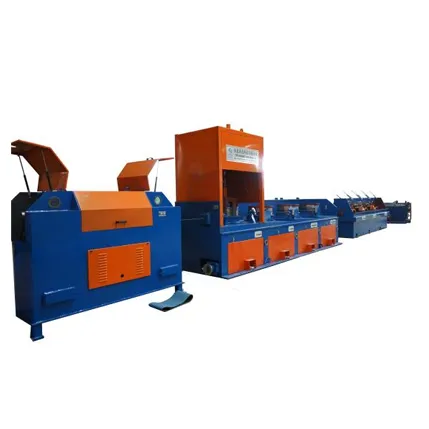
A complete barbed wire production line starts with galvanized steel wire coils. The wires are fed into the machine, where barbs are formed and attached at precise intervals. The line wires are then tightly twisted to secure the barbs, and the finished product is automatically coiled for packaging and shipment. This continuous process allows factories to produce hundreds of meters of high-quality barbed wire per hour.
Types of Barbed Wire Machines
Single Twist machines are simpler and suitable for basic applications. Double Twist machines, the industry standard, produce stronger and more secure barbed wire. Automatic PLC-controlled machines offer high precision and reduced labor, while high-speed models are designed for large-volume export production.
Applications of Industrial Barbed Wire Machines
Agricultural operations use barbed wire to contain livestock and protect crops. Livestock farms rely on it for secure enclosures. Railways and highways use it for safety barriers. Airports, military bases, and industrial facilities deploy it for perimeter security. The durability and effectiveness of machine-produced barbed wire make it a preferred choice across these demanding sectors.
Benefits of Using an Automatic Barbed Wire Machine
Automatic machines deliver much higher productivity than manual methods. They ensure consistent barb spacing and tight twisting, resulting in superior product quality. Labor costs are significantly reduced, material waste is minimized, and production runs continuously with stable output. Modern machines are also easier to operate and maintain with user-friendly PLC interfaces.
How to Choose the Right Barbed Wire Machine?
Consider wire diameter, desired barb spacing, production capacity, automation level, power requirements, factory space, and budget. A professional manufacturer will help match the machine to your specific production goals and long-term expansion plans.
Common Problems and Solutions
| Problem | Possible Cause | Solution |
|---|
| Wire Breakage | Excessive tension | Adjust tension settings |
| Uneven Barb Spacing | Feeding inconsistency | Recalibrate sensors and rollers |
| Loose Twisting | Worn twisting components | Replace worn parts promptly |
| Coil Disorder | Incorrect coiler settings | Adjust winding parameters |
Frequently Asked Questions About Barbed Wire Machines
What materials can be processed?
Most machines process galvanized steel wire, low carbon steel wire, and stainless steel wire.
What is the production speed?
Modern automatic machines typically produce 80–150 meters per minute depending on barb spacing and wire diameter.
What is the difference between single and double twist?
Double twist produces stronger, more secure barbed wire with better barb holding power, making it the preferred choice for most industrial applications.
Can the machine produce galvanized barbed wire?
Yes. Machines are designed to work with pre-galvanized wire to produce standard barbed wire products.
Is PLC control available?
Yes. Most modern industrial barbed wire machines feature PLC control systems for precise operation and easy parameter adjustment.
Why Choose Shunmao for Barbed Wire Machines?
With nearly 30 years of experience in industrial machinery manufacturing, Shunmaohas become one of the trusted barbed wire machine suppliers providing reliable wire processing equipment to customers in dozens of countries. Our engineering team designs customized production solutions that improve efficiency while reducing overall investment costs.We provide full support from machine selection and customization to installation, training, and long-term after-sales service. Every machine is built with strict quality standards to ensure stable, long-term performance.Looking for a Reliable Barbed Wire Machine Manufacturer?Contact Shunmao today for professional consultation, customized machine recommendations, technical specifications, and competitive quotations.
M.E. Lucia
Bachelor of Engineering, Master of Science, with a strong interest in mechanical manufacturing and automation.
Experienced in-depth factory practice and gained a comprehensive understanding of mechanical manufacturing processes and automated production.