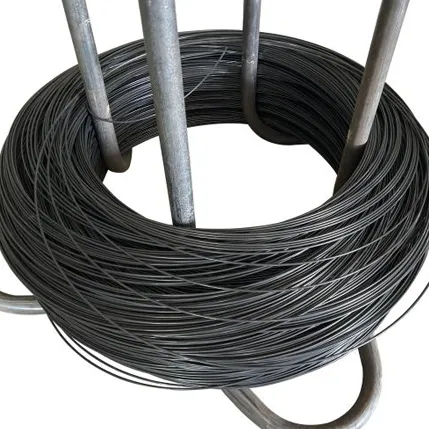
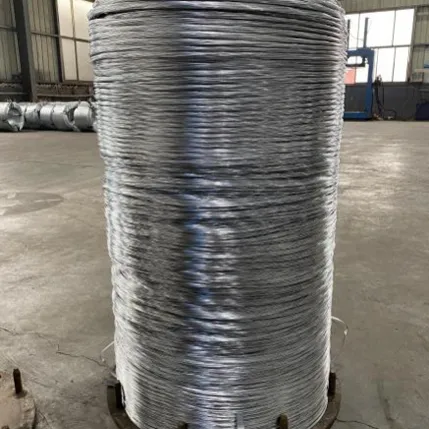
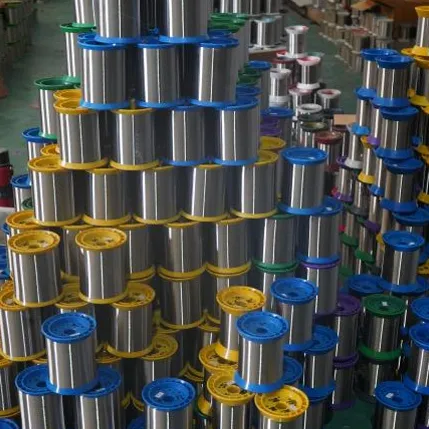
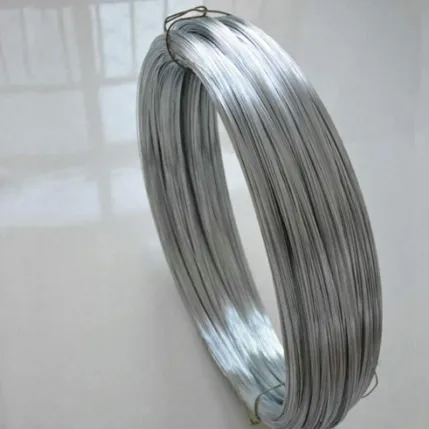
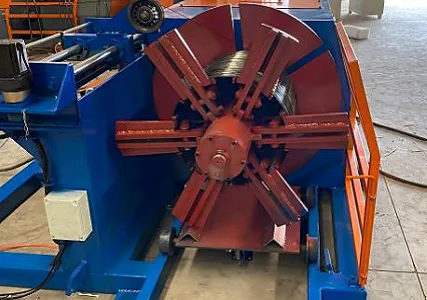
Pre-treated high-carbon steel wire can be directly drawn into the wire drawing process. Cooling is the most important part of the drawing process. During the drawing process, the metal wire and the die may deform instantly, which may result in high temperatures of several hundred degrees. If the temperature is too high, the metal wire may become brittle, leading to breakage or unsatisfactory deformation. At the same time, excessively high temperatures will increase the wear and tear on the drawing die. Therefore, temperature control is crucial for drawing high-carbon steel wire.
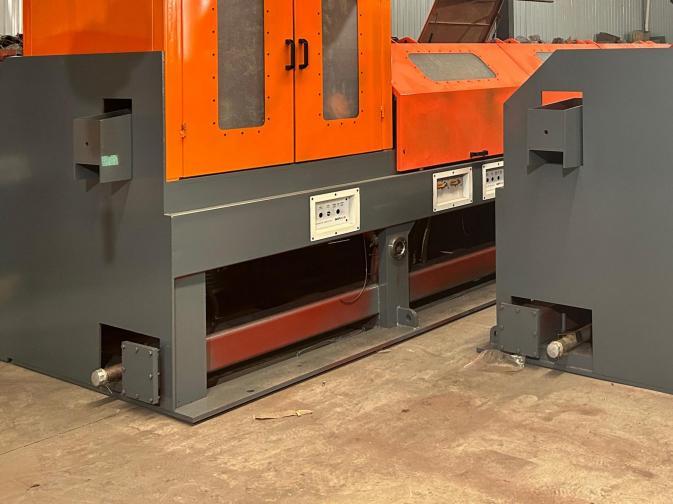
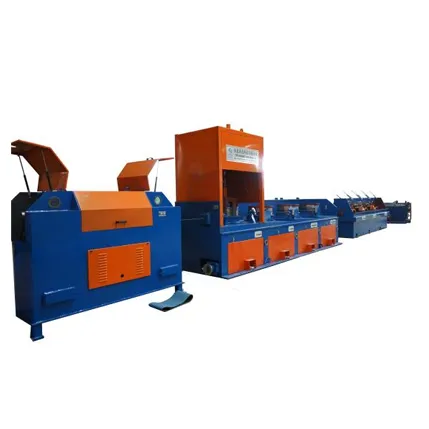
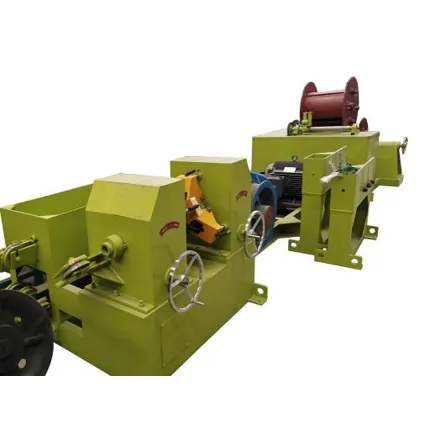
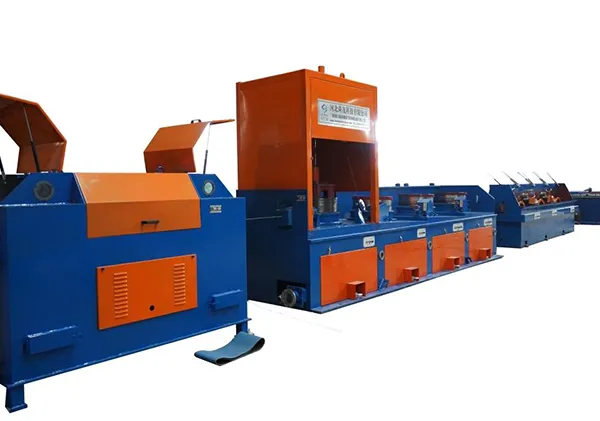
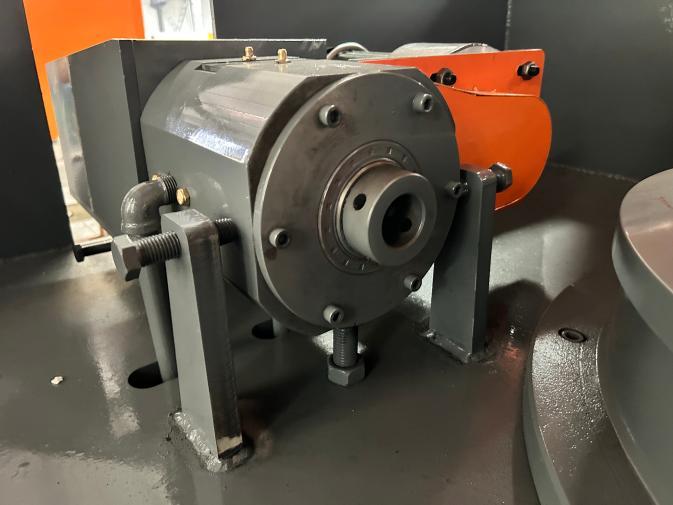
Our wire drawing machines combine two cooling methods: narrow-slit water cooling on the drum and circulating water cooling on the die. The narrow-slit water cooling system, developed through years of experience and customer feedback, boasts a structure with excellent cooling performance and low water consumption, ensuring superior drawing results during high-speed wire drawing and high-carbon steel wire drawing.
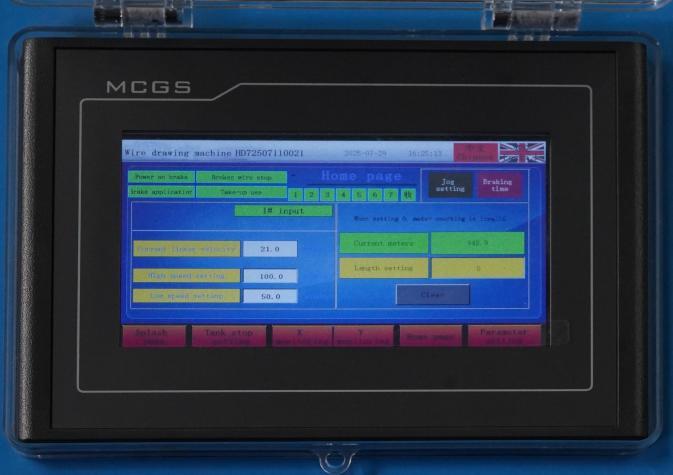
High-carbon steel wire drawing requires precise process control. From die setup to speed and tension control, experienced engineers are essential. Generally, the reduction rate during high-carbon steel wire drawing is maintained at around 15%. This reduces the risk of wire breakage due to excessive deformation and allows sufficient time to dissipate the large amount of heat generated by deformation, thus improving the drawing effect.
For example, drawing a 6.5mm wire rod to 3.5mm requires 8 passes: 6.5--5.96--5.51--5.10--4.72--4.37--4.04--3.74--3.5. These are theoretical calculation values. In actual operation, the reduction rate in the first pass can be appropriately increased according to the state of the wire, and the subsequent dies also need to be adjusted appropriately according to the characteristics of the wire. This is a process that requires precise control.
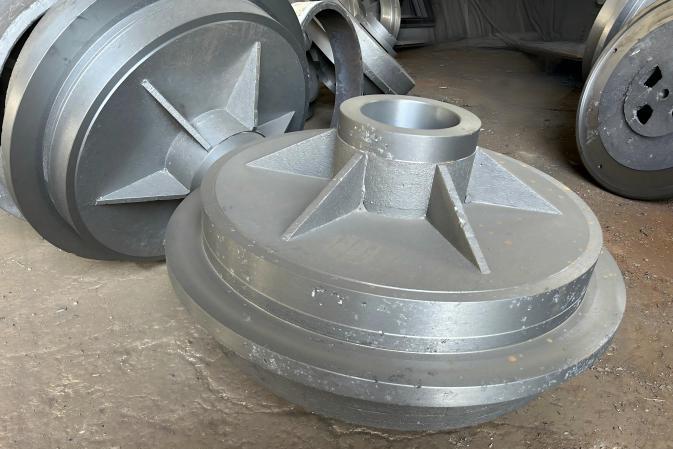
In terms of drum size design, since high carbon steel wire requires less bending stress, the drum design needs to have a relatively large diameter. This can avoid excessive bending and also provide a larger space for coolant, further ensuring cooling efficiency during the deformation process of the steel wire.
M.E. Lucia
Bachelor of Engineering, Master of Science, with a strong interest in mechanical manufacturing and automation.
Experienced in-depth factory practice and gained a comprehensive understanding of mechanical manufacturing processes and automated production.