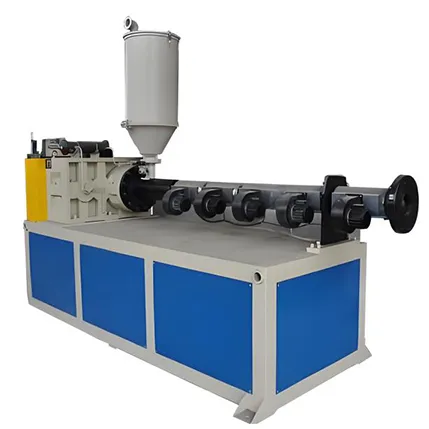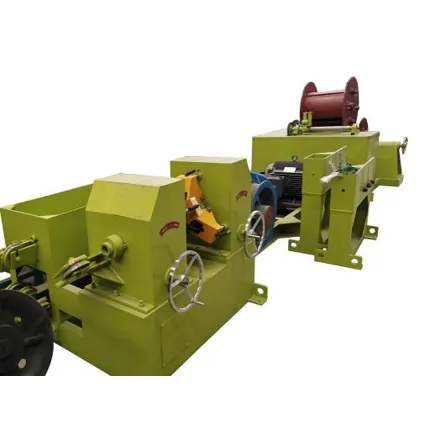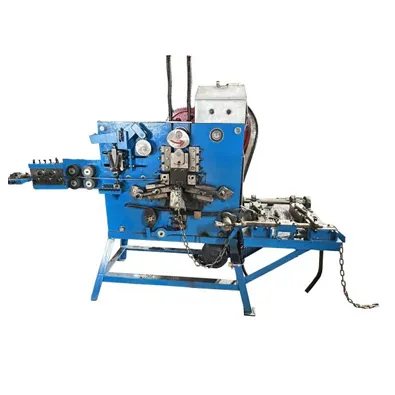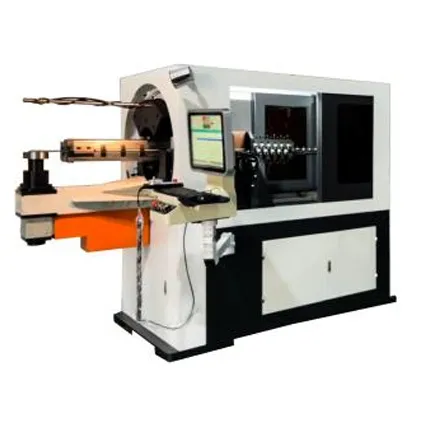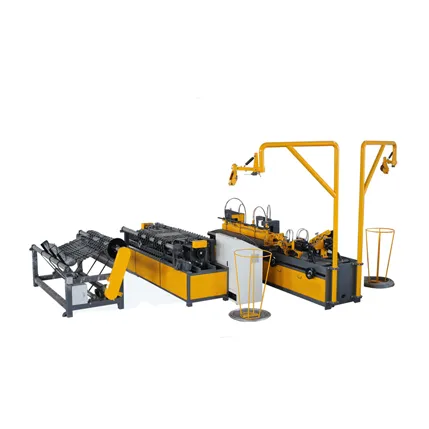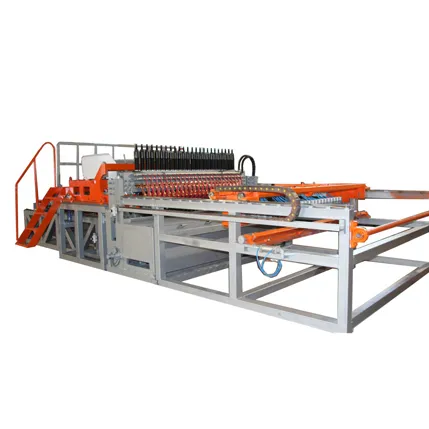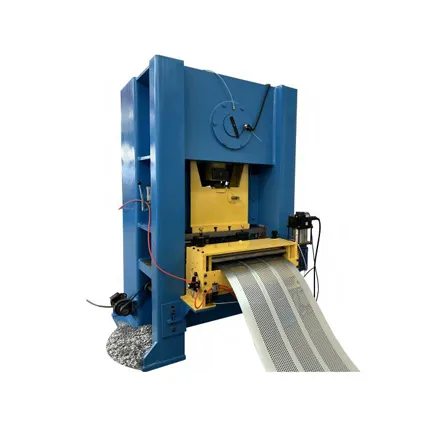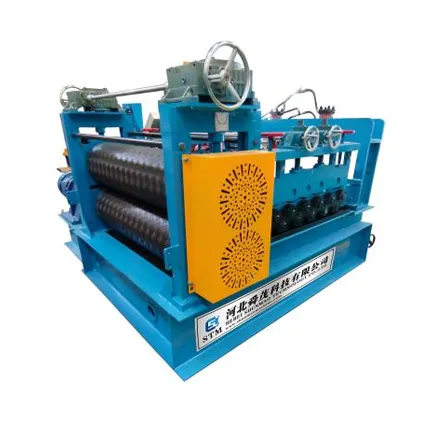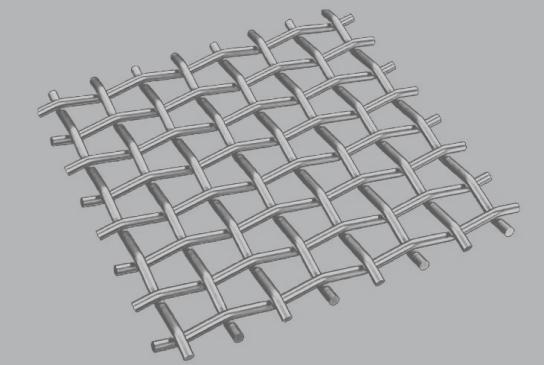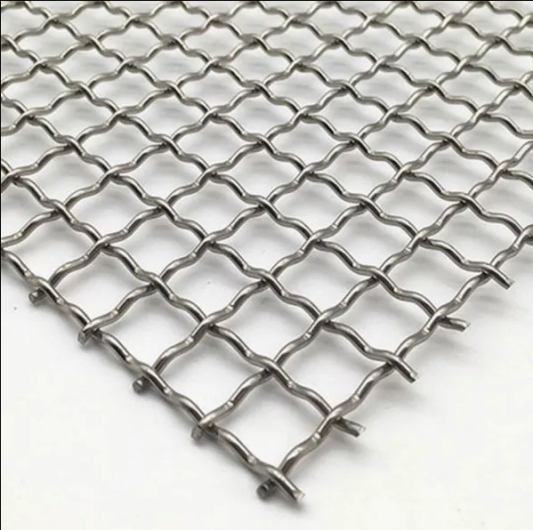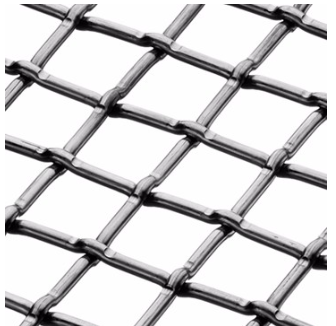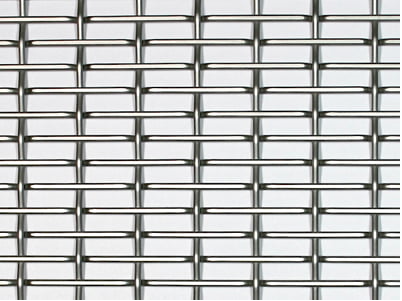
Depending on the weaving method, cinched wire mesh can be divided into four types: plain crimp (single weave), double intermediate crimp (step pattern), lock crimp, and flat-top crimp.

Key features: tight interlocking, flat mesh surface, and high structural strength. If the wire diameter is relatively fine and the mesh is relatively sparse, this type of mesh can balance strength and permeability.
Application scenarios: Scenarios requiring a certain degree of flexibility and wear resistance in the mesh surface. Examples include decorative mesh, grain silo mesh, barbecue mesh, protective mesh, and lightweight screening mesh.

Key features: The mesh is highly permeable and not easily clogged. When you need to weave a small-mesh from a large piece of wire, the step pattern is the only option.
Application scenarios: Heavy-duty screening under heavy-load conditions such as mines and quarries, or in fields such as stone processing and asphalt mixing plants, where the mesh surface is required to be impact-resistant, sturdy and durable.

Key features: High mesh precision, exceptionally stable structure, suitable for products with extremely high requirements for mesh size accuracy;
Application scenarios: Precision filtration, graded screening, and other scenarios requiring strict control over pore size consistency.

Key features: Smooth surface, but relatively low screening rate, suitable for applications where surface smoothness and wear resistance are more important.
Application scenarios: Scenarios where material throughput requirements are not high. Commonly used for protective netting and fencing for machinery and equipment, as well as special processes requiring high flatness of the mesh surface.
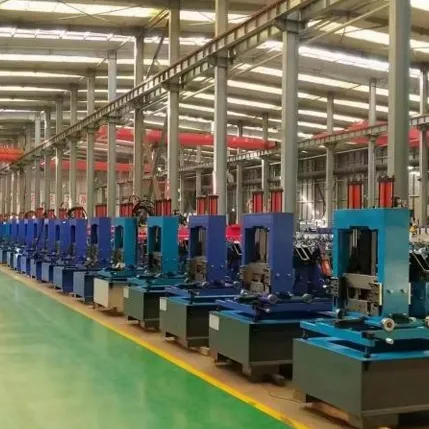
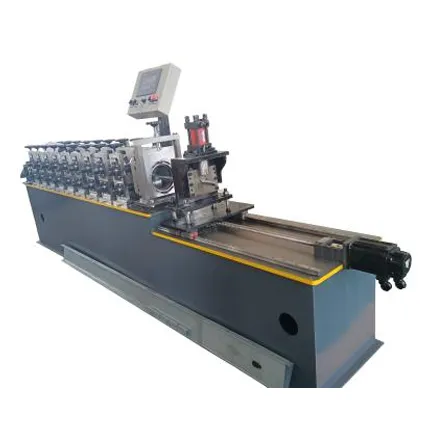
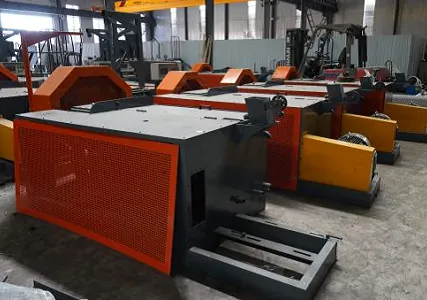
How To Weave The Crimped Screen You Want