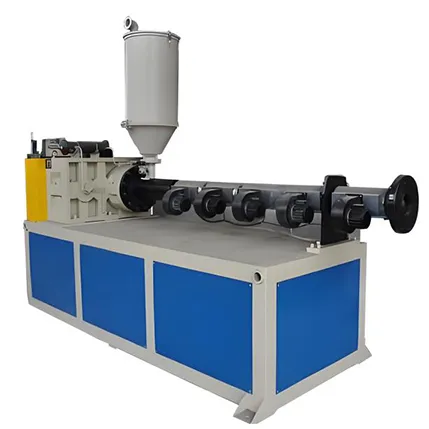
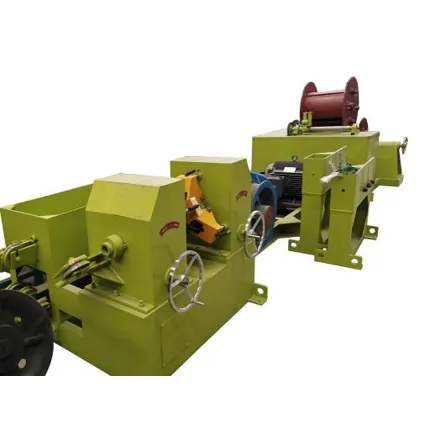
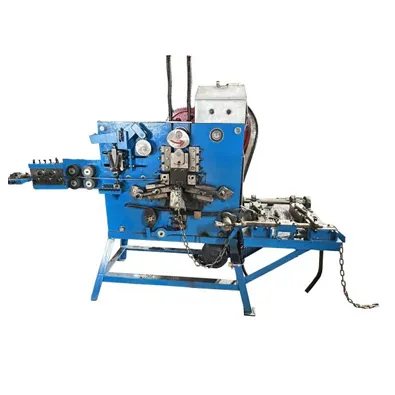
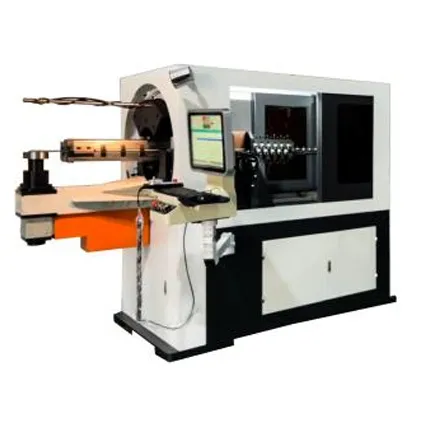
Quick Answer
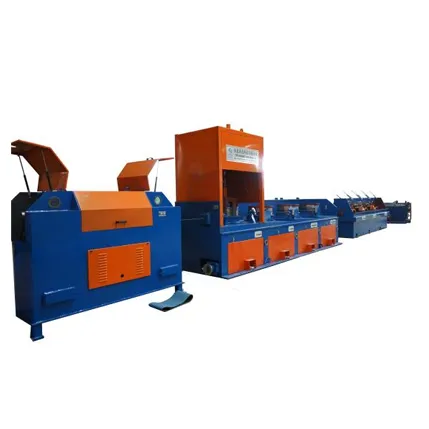
An industrial wire drawing machine reduces the diameter of metal wire by pulling it through a series of precision drawing dies. During the process, the wire becomes longer, thinner, and stronger while maintaining excellent dimensional accuracy. Modern automatic wire drawing machines combine multiple drawing blocks, PLC control systems, lubrication systems, and take-up units to achieve continuous, high-speed production for steel wire, galvanized wire, and other metal wire products. As a key segment of global manufacturing supply, many buyers search for a
wire drawing machine in china due to China’s strong production capacity, competitive pricing, and mature industrial supply chains. This article discusses large industrial wire drawing machines used in manufacturing plants, not handheld wire drawing tools used for jewelry or DIY applications.
What Is an Industrial Wire Drawing Machine?
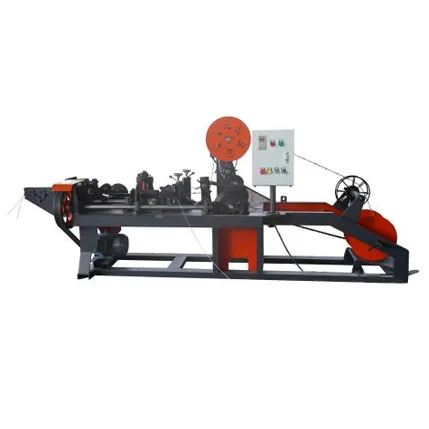
An industrial wire drawing machine is a heavy-duty piece of equipment designed to reduce the cross-section of metal wire rods through controlled plastic deformation. By pulling the wire through progressively smaller dies, the machine elongates the material while increasing its tensile strength and improving surface finish. These machines form the backbone of wire manufacturing plants worldwide. They are widely used in steel wire manufacturing, wire mesh production, nail manufacturing, barbed wire production, spring wire, and fastener industries. The process is essential for transforming coarse wire rod into finished wire products that meet strict diameter, strength, and surface quality requirements.
How Does an Industrial Wire Drawing Machine Work?
Step 1 – Wire Rod Feeding
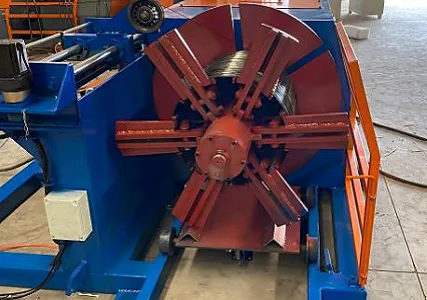
The process begins with loading wire rod coils onto a pay-off stand. This unit provides smooth, controlled unwinding to prevent tangling or damage to the rod as it enters the drawing line. Proper tension control at this stage is critical to ensure consistent feeding throughout the entire production line.
Step 2 – Wire Pointing
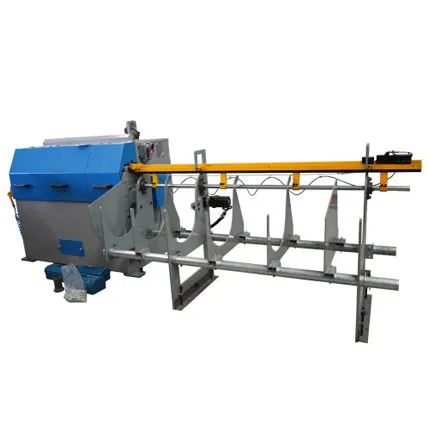
Before the wire can enter the first drawing die, its tip must be reduced in diameter. A wire pointing machine swages or rolls the end to a smaller size so it can thread through the die. Without proper pointing, the wire cannot start the drawing process smoothly.
Step 3 – Wire Passes Through Drawing Dies
This is the heart of the wire drawing process. The wire is pulled through precision drawing dies made of tungsten carbide or diamond. Each die reduces the diameter while the material undergoes cold working, becoming stronger and longer. Multiple passes are required because attempting too much reduction in a single die would cause the wire to break.
Step 4 – Multi-block Drawing Process
Industrial wire drawing machines use multiple drawing blocks (capstans) arranged in sequence. Each block pulls the wire through the previous die and provides back tension for the next. This multi-block design allows for controlled reduction, better speed management, and higher overall efficiency compared to single-die systems.
Step 5 – Lubrication and Cooling
Lubrication reduces friction and heat buildup, while cooling systems maintain optimal temperatures. Proper lubrication extends die life, prevents wire breakage, and ensures smooth surface finish. In wet drawing systems, emulsion or oil is continuously circulated and filtered.
Step 6 – Automatic Wire Take-up
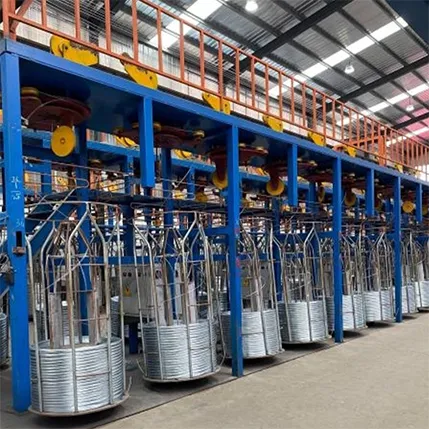
At the end of the line, the finished wire is wound onto spools, coils, or reels using automatic take-up machines. Modern systems feature precise tension control and automatic spool changing to minimize downtime.
Main Components of an Industrial Wire Drawing Machine
| Component | Function |
|---|
| Pay-off Stand | Feeds wire rod smoothly |
| Pointing Unit | Prepares wire end for drawing |
| Drawing Die | Reduces wire diameter |
| Drawing Block / Capstan | Pulls the wire |
| Lubrication System | Reduces friction and wear |
| Cooling System | Controls temperature |
| PLC Control System | Automates operation |
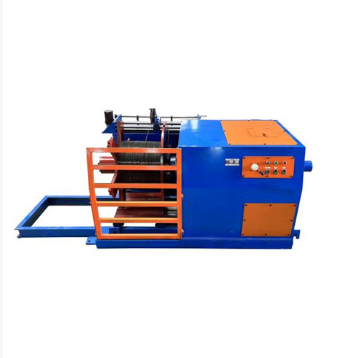
| Take-up Machine | Collects finished wire |
Types of Industrial Wire Drawing Machines
Straight Line Wire Drawing Machines are ideal for high-speed steel wire production. Pulley Type machines suit medium output requirements. Water Tank and Wet Wire Drawing Machines are preferred for fine wire applications requiring excellent surface finish.
What Factors Affect Wire Drawing Performance?
Wire material properties, drawing speed, die quality, lubrication effectiveness, machine alignment, and automation level all significantly impact performance. Proper balancing of these factors ensures high productivity and consistent wire quality.
Common Problems During the Wire Drawing Process
| Problem | Cause | Solution |
|---|
| Wire Breakage | Excessive tension or poor lubrication | Reduce speed and improve lubrication |
| Poor Surface Quality | Die wear | Replace dies regularly |
| Diameter Variation | Inconsistent block speed | Adjust PLC parameters |
| High Temperature | Inadequate cooling | Improve cooling system |
Where Are Industrial Wire Drawing Machines Used?
Steel wire factories, wire mesh production plants, nail manufacturing facilities, barbed wire producers, gabion mesh manufacturers, and construction materials suppliers all rely heavily on industrial wire drawing machines for efficient, high-quality output.
How to Choose the Right Industrial Wire Drawing Machine?
When selecting a machine, carefully consider wire material, target diameter range, required output capacity, desired automation level, factory layout, and overall budget. A professional wire drawing machine manufacturer can provide tailored recommendations based on your specific needs.
Frequently Asked Questions About Wire Drawing Machines
What is a wire drawing machine used for?
It is used to reduce the diameter of metal wire rods while increasing length and strength through cold working, producing high-quality wire for various industrial applications.
How many drawing dies are needed?
The number depends on the total reduction required. Most industrial lines use 8 to 24 dies distributed across multiple blocks for optimal performance and wire quality.
What materials can be processed?
Common materials include low carbon steel, high carbon steel, galvanized wire, stainless steel, and various alloys.
What is the production speed?
Modern automatic wire drawing machines typically achieve sustained speeds of 8–15 m/s for medium wire, depending on material and reduction ratio.
How long does a drawing die last?
Die life varies from several tons to dozens of tons of wire processed, depending on material, lubrication quality, and maintenance practices.
What industries use wire drawing machines?
They are essential in steel wire manufacturing, wire mesh production, nail making, fencing, springs, fasteners, and construction materials industries.
Why Choose Shunmao for Industrial Wire Drawing Machines?
With nearly 30 years of experience in industrial machinery manufacturing, Shunmao has supplied reliable wire processing equipment to customers across dozens of countries. Our professional engineering team specializes in customized production line solutions that balance performance, efficiency, and cost-effectiveness.We provide complete OEM support from initial design to final installation and long-term after-sales service. Our strict quality control system ensures every machine meets high standards of durability and reliability.Looking for a Reliable Industrial Wire Drawing Machine Manufacturer?Contact Shunmao today for free technical consultation, customized solutions, detailed quotations, and professional project support. Let our experienced team help you build an efficient and profitable wire production line.
M.E. Lucia
Bachelor of Engineering, Master of Science, with a strong interest in mechanical manufacturing and automation.
Experienced in-depth factory practice and gained a comprehensive understanding of mechanical manufacturing processes and automated production.