How to perform annealing treatment on materials
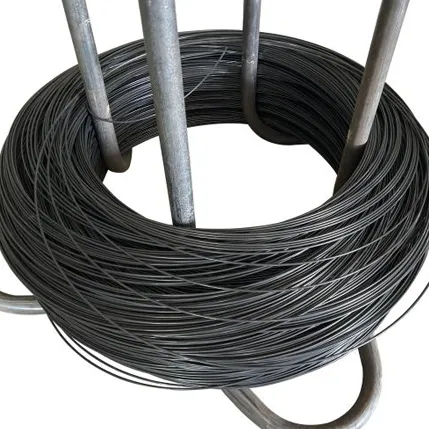
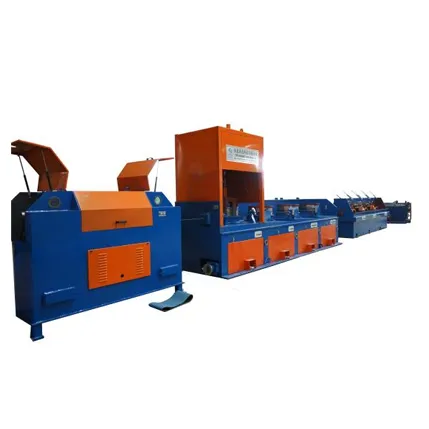
Last time we talked about using a straight-line wire drawing machine to draw low-carbon steel wire, which can draw as little as 1.2mm. However, due to the exhaustion of the material's plasticity and the limitations of dry lubrication, the wire is very easy to break if it is drawn again. Therefore, if you want to obtain finer metal wire, you need to anneal the material before it enters the water tank wire drawing machine.
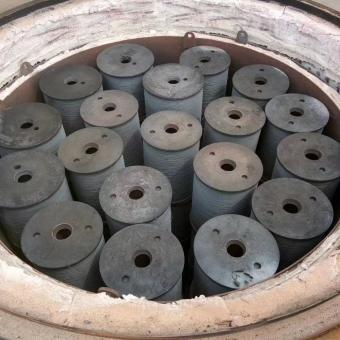
How to perform repeated drawing operations after annealing?
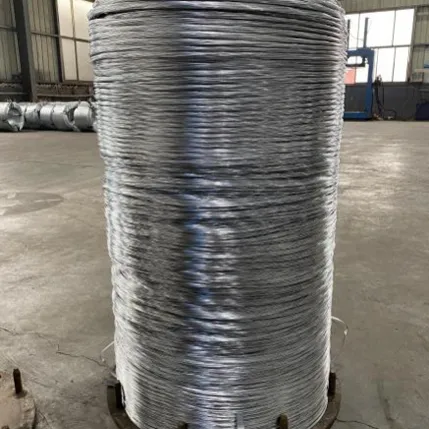
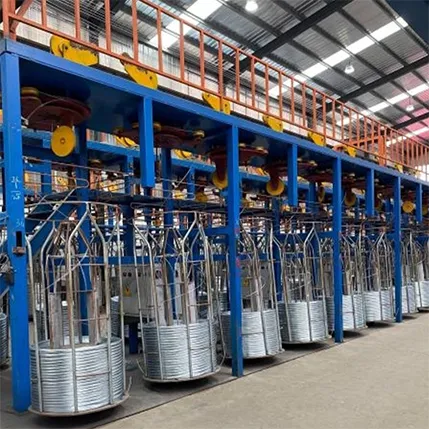
Annealing processes are generally divided into continuous open-hearth annealing and periodic pit annealing. Continuous open-hearth annealing pursues production efficiency and process connection, enabling continuous and uninterrupted production, but the investment cost is relatively large. The advantage of pit annealing furnace is its flexibility and precision. It can flexibly adjust the annealing process curve according to steel wires of different specifications and requirements, but because it is batch production, the production efficiency will be slower.
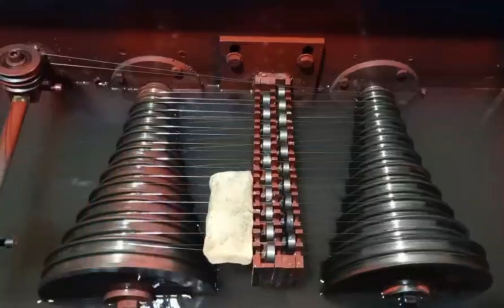
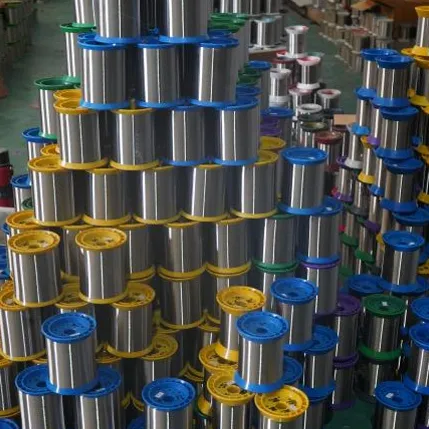
After annealing, the hardness of the metal wire decreases, while its elongation and toughness are significantly enhanced, allowing for further water tank drawing. The number of drawing passes varies from 12 to 24 depending on the wire diameter. Our wire drawing machine can draw wires as small as 0.15mm, making it one of the most precise products on the market. The mechanical surface reduction rate is generally around 13%, and engineers configure the necessary dies based on the machine parameters. The ambient temperature is controlled at around 40℃ during the drawing process to prevent high-temperature oxidation and embrittlement. The anti-wear agent in the coolant forms a 0.001-0.005mm lubricating film between the die and the metal wire, significantly reducing friction.
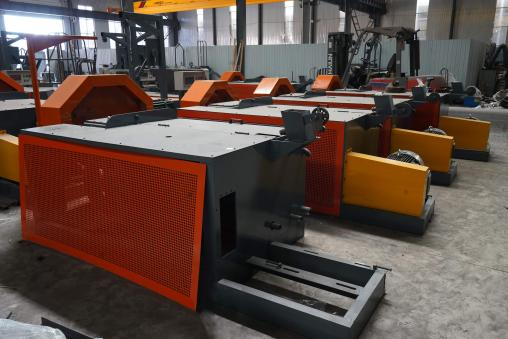
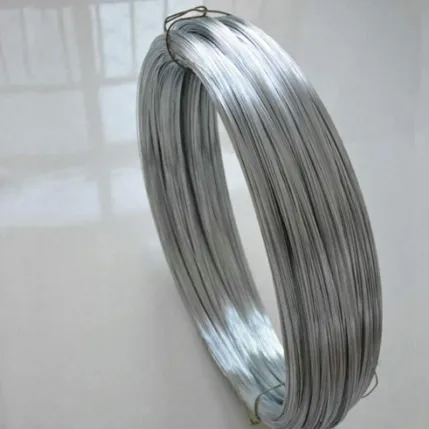
The metal wire produced by drawing water tank wire has a high degree of surface smoothness and dimensional accuracy, and has important applications in many industries.
Related Articals& Products
Low Carbon Steel Wire Drawing Process
Wire Drawing Machine
Wire Straightening&Cutting Machine
M.E. Lucia
Bachelor of Engineering, Master of Science, with a strong interest in mechanical manufacturing and automation.
Experienced in-depth factory practice and gained a comprehensive understanding of mechanical manufacturing processes and automated production.