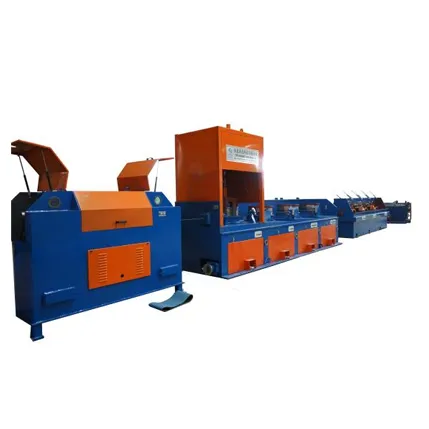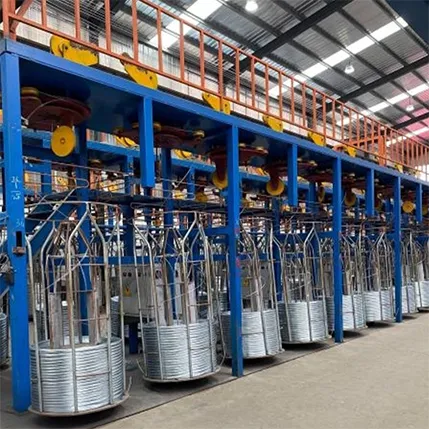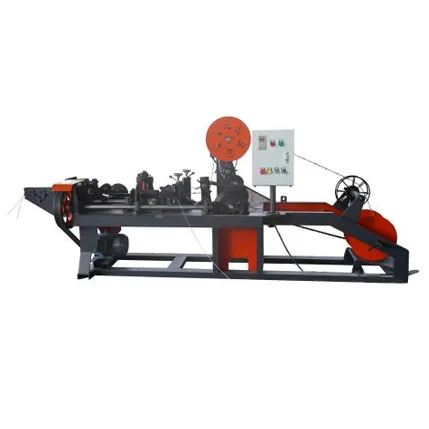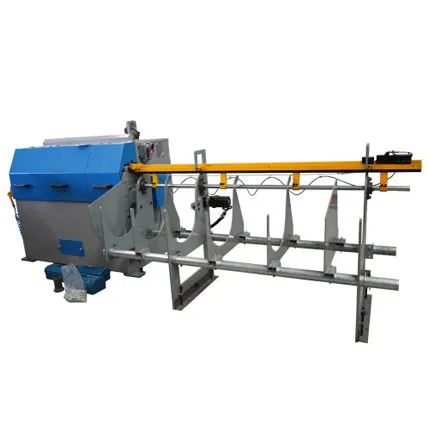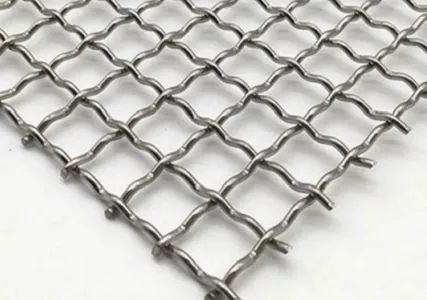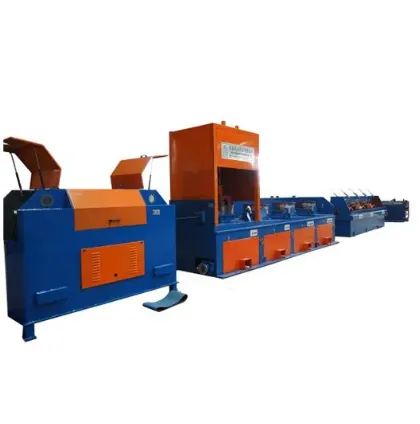
The core of the weaving process for crimped wire mesh in mining screening can be summarized as "crimping first, then weaving." This is a professional process that involves mechanically processing metal wires into a "wavy" shape, and then interlocking and weaving them into a sturdy mesh.

Before rolling the wire, you must first select the appropriate weaving method based on the wire diameter and mesh size. Here is a formula:
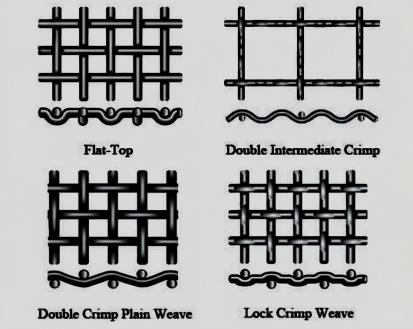
(Mesh size + Wire diameter) * 2/3, when the result is ≥4, you can do Double Intermediate Screen;
When the result is ≥3, you can do Lock Screen and Flat Top Screen;
When the result is <3, you can do Double Crimp Plain Weave.

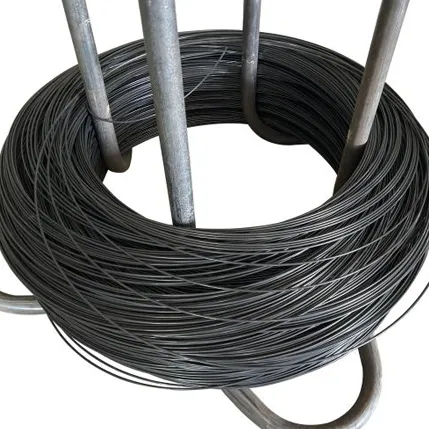
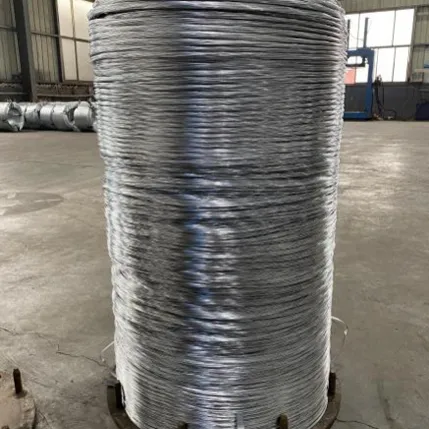
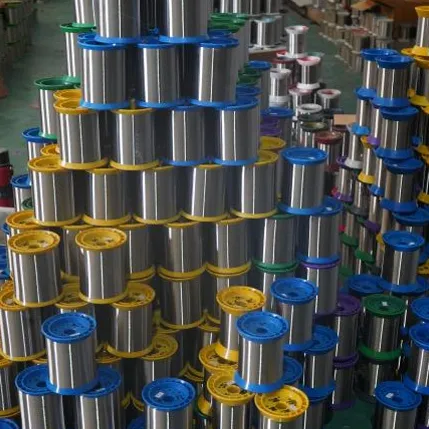
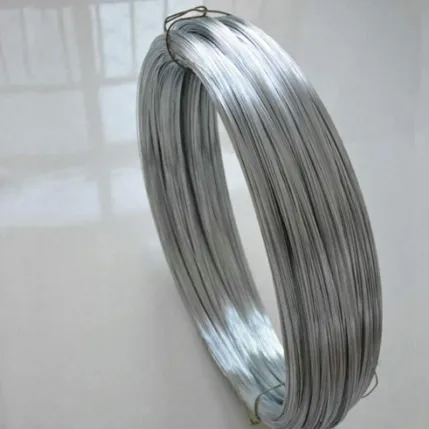
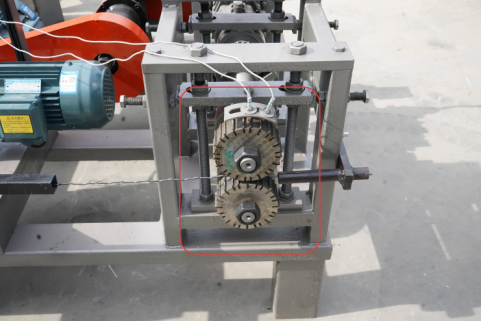
The next step is the most important one, "wire crimping": the metal wire of the selected diameter and material (usually high carbon steel wire or stainless steel wire for screens) is passed through a crimping wheel with a special tooth shape to press out periodic wavy grooves. This pre-bent waveform determines the shape of the finished mesh.
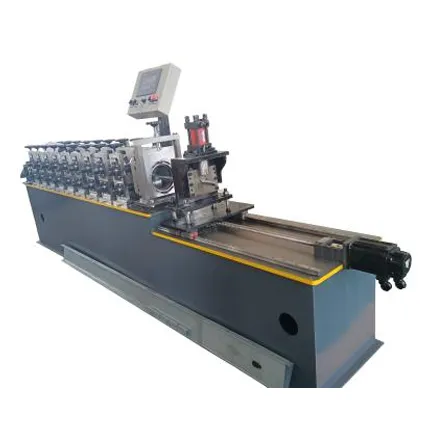
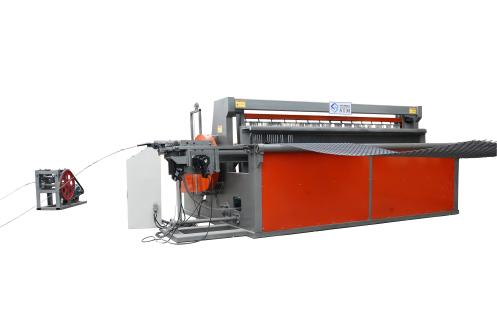
The rolled wavy metal wires are sent to a crimping machine for weaving. The pre-bent warp wires pass through the positioning holes according to the mesh size, while the weft wires are guided by a rapier belt through the warp wires via an automatic weft wire crimping machine to weave the required mesh.
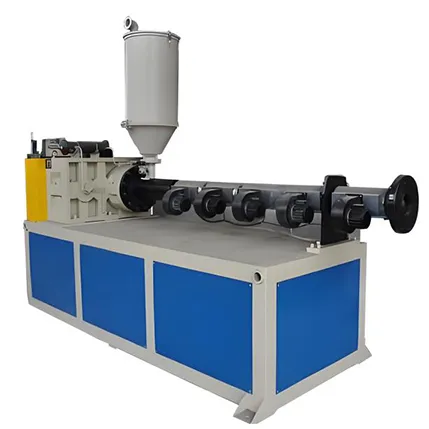
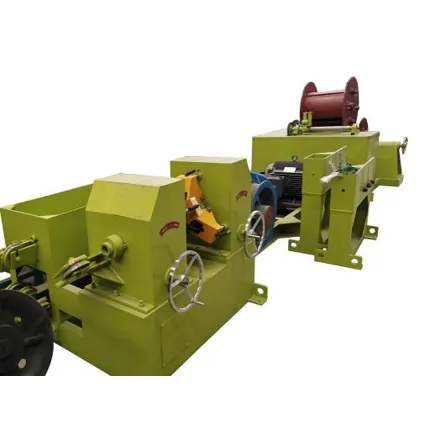
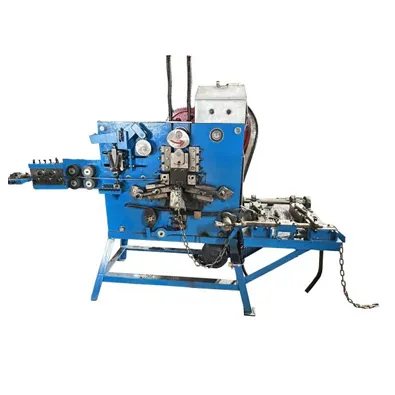
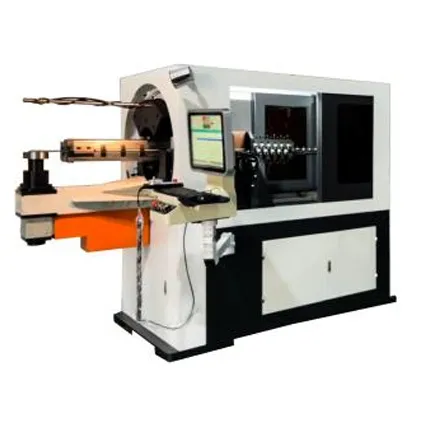
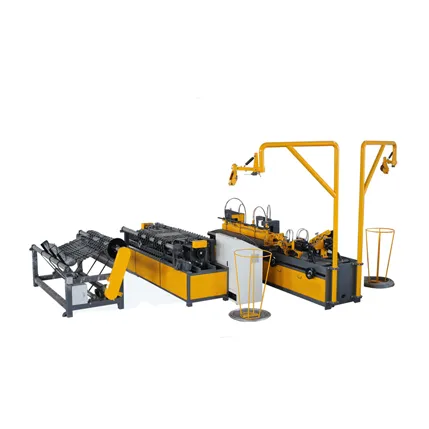
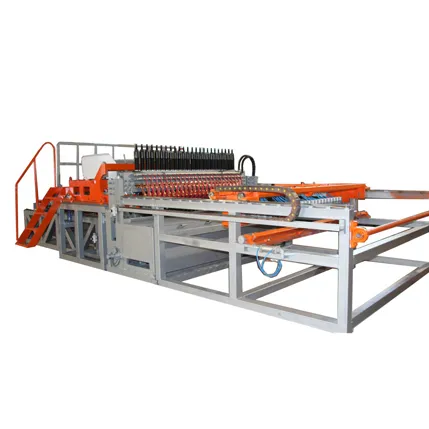
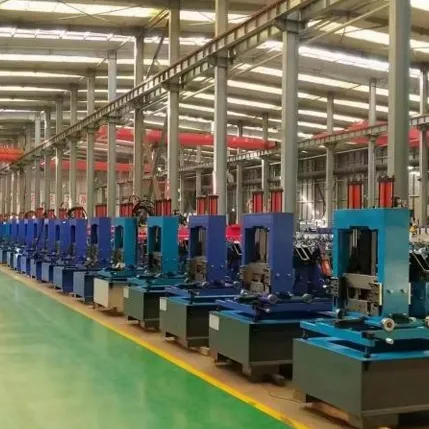
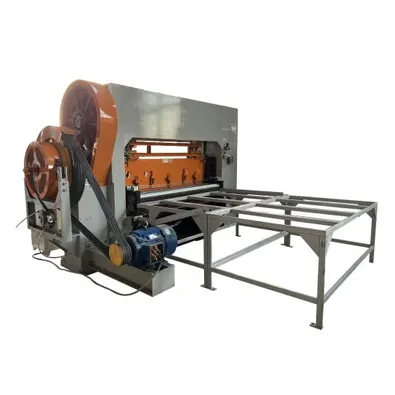
Our factory produces crimped wire mesh machines that can automatically weave wires with diameters of 0.5-2mm and 1.5-5mm. However, crimped wire mesh with diameters of 5-12mm requires semi-automatic weaving, and crimped wire mesh with a diameter of 12mm requires a hydraulic crimped wire mesh machine.
Contact us to get TDS.
Related Products