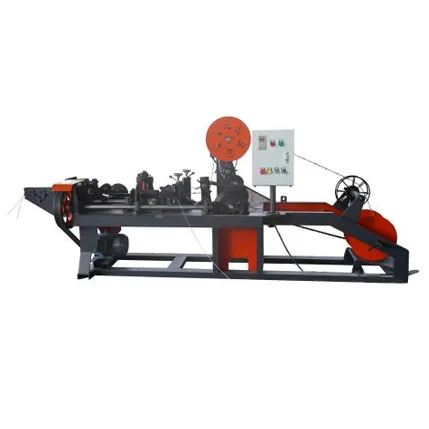
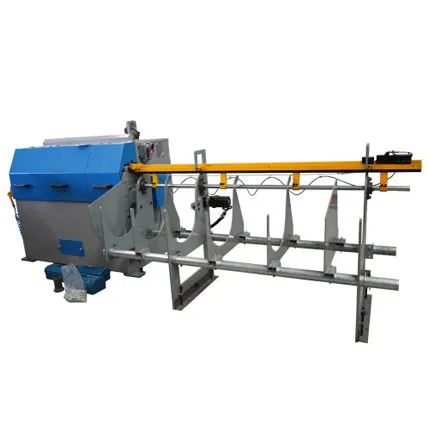
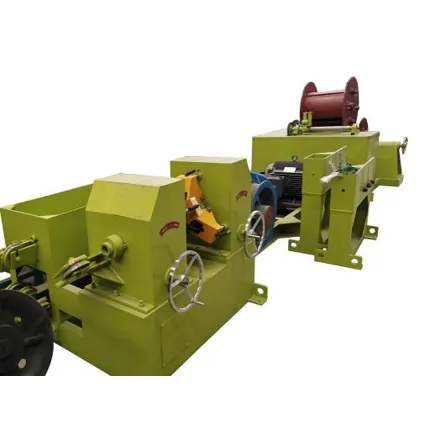
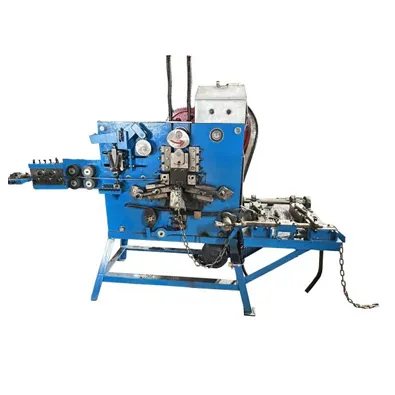
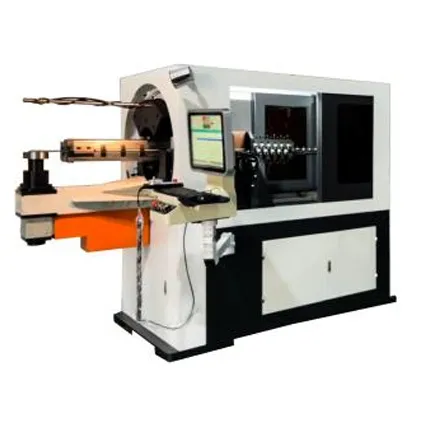
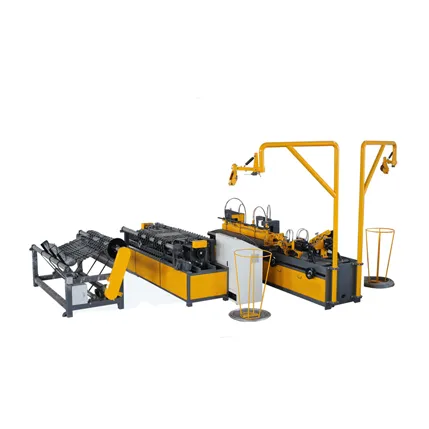
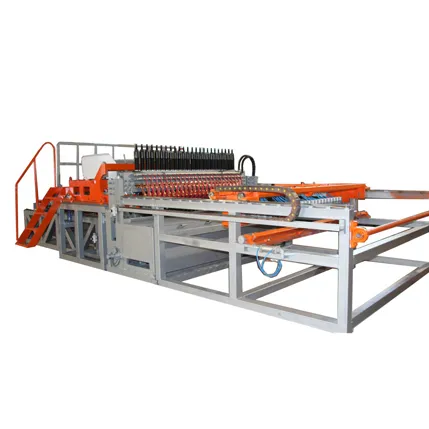
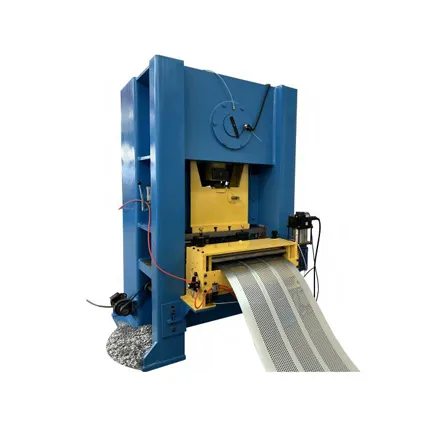
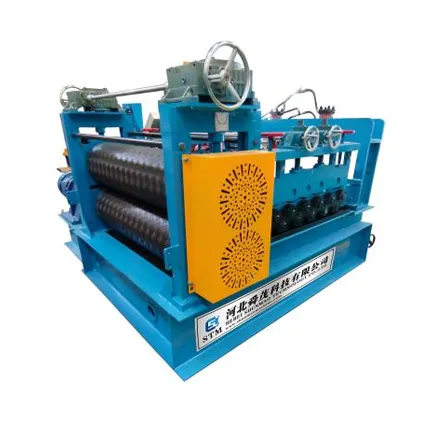
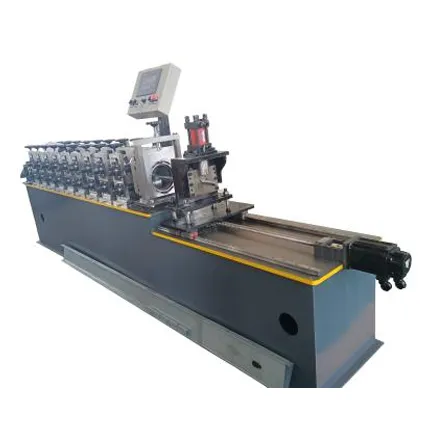
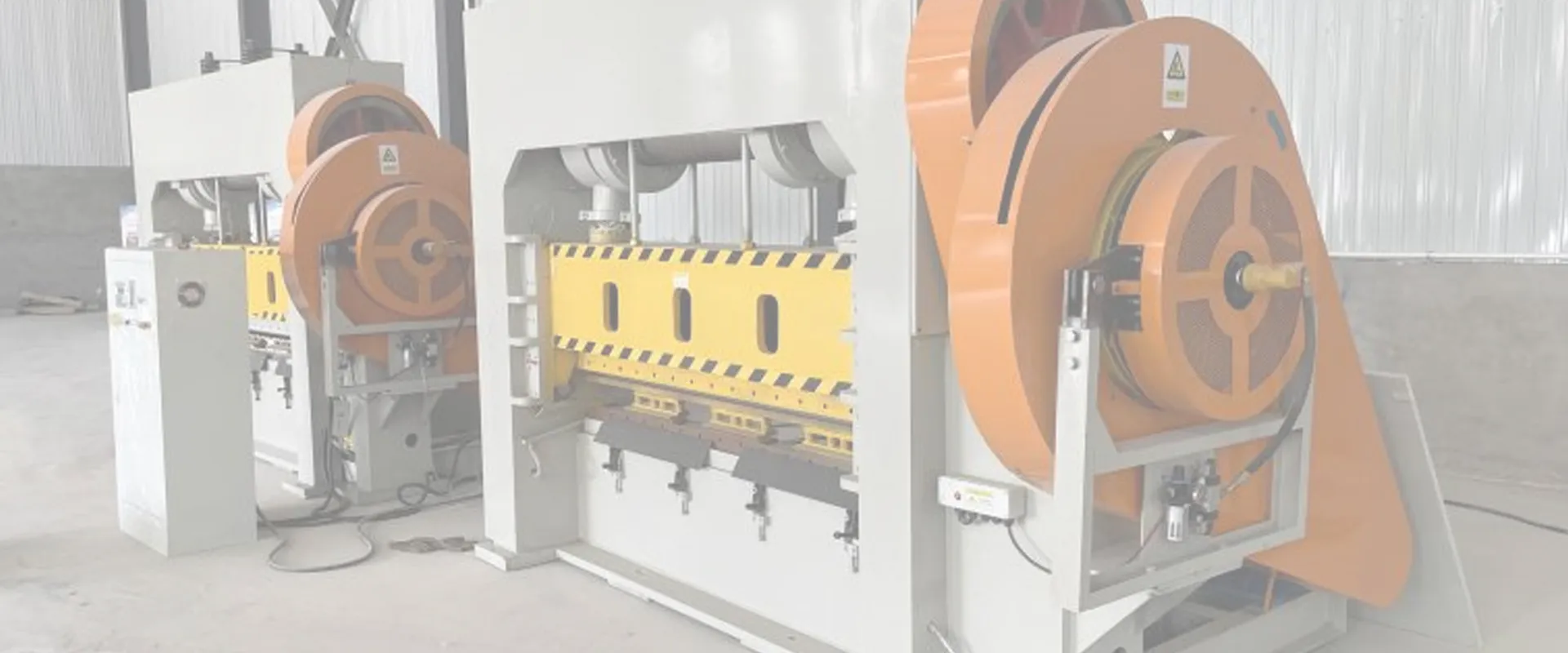
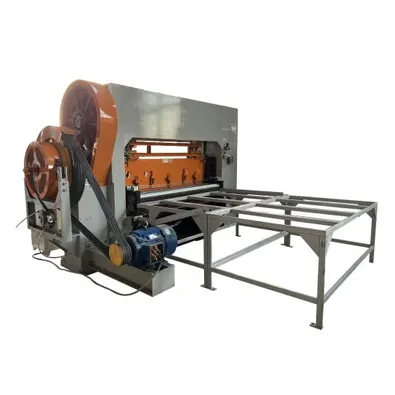
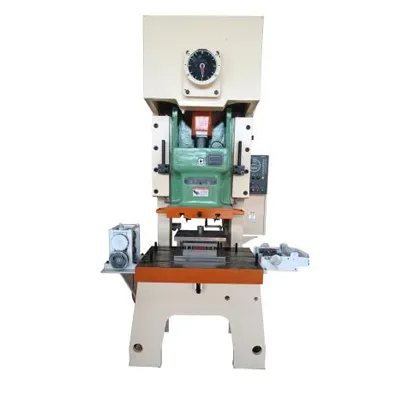
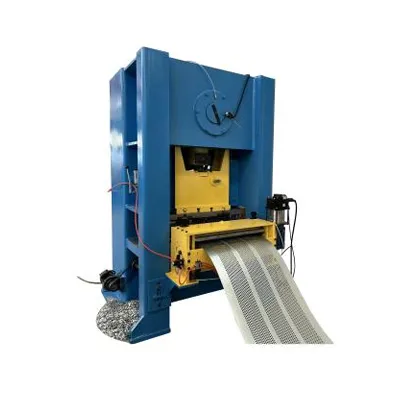
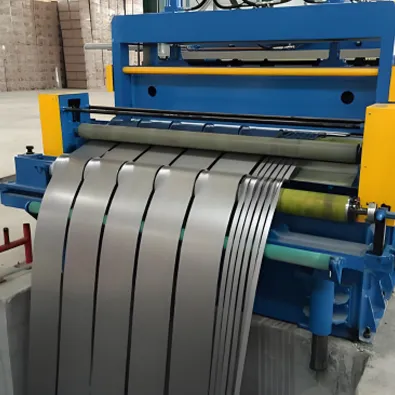
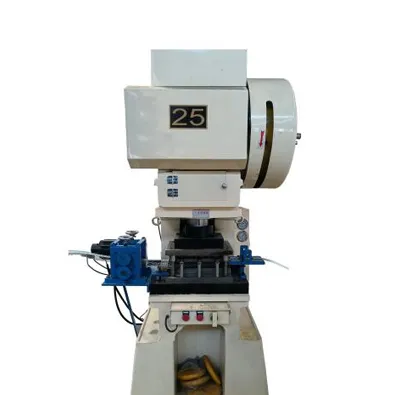
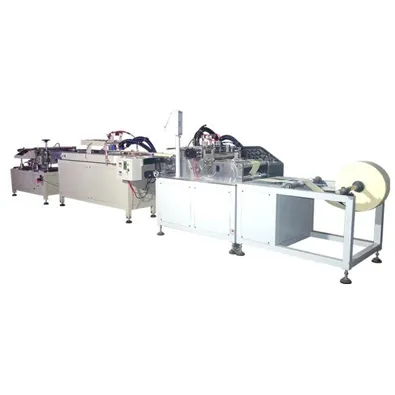
Machine Type | Expanded Metal Mesh Machine | Perforated Metal Sheet Machine | Razor Wire Machine | Angle Bead Mesh Machine |
Main Function | Expands metal sheets into diamond-shaped mesh | Punches holes of various shapes on metal sheets | Processes steel strips and wires into razor barbed wire | Produces corner bead mesh for wall edge protection |
Suitable Materials | Steel, aluminum, stainless steel | Steel, aluminum, galvanized sheet | Galvanized or stainless steel | Galvanized or stainless steel |
Typical Products | Expanded metal mesh panels | Perforated sheets for decoration or filtering | Security fencing razor wire | Corner beads for drywall or plaster edges |
Key Advantages | No material waste, strong and lightweight structure | High precision, flexible hole patterns | Strong security barrier, easy to install | Protects wall corners, easy installation |
When to Choose | For construction, fencing, and filtration needs | When customized hole shapes or patterns are required | For security fencing, military or high-protection areas | When building wall edges need strengthening |
High Precision and Consistency:
1. Through high-precision tooling, stamping machines can achieve extremely tight dimensional tolerances, producing parts with consistent quality and reliable performance.
2. High precision ensures accurate part dimensions and shapes, enabling complex assemblies or applications requiring precise fits.
High Speed and Efficiency:
1. Stamping is a high-speed production process, particularly suitable for continuous production of large batches of parts, significantly improving production efficiency and shortening production cycles.
2. Highly automated production reduces the need for skilled operators, thereby lowering labor costs and error rates.
Material Utilization and Cost-Efficiency:
1. Stamping is highly efficient in material utilization, minimizing material waste through optimized tool design, thereby achieving cost savings.
2. Compared to some other processing methods, stamping can complete part manufacturing in a single operation, eliminating secondary operations and reducing overall production costs and unit costs.