Differences between Wire Mesh Weaving Machine, Welding Machine, and Punching Machine
Item | Wire Mesh Weaving Machine | Wire Mesh Welding Machine | Metal Sheet Punching Machine |
Working Principle | Interweaves metal wires to form mesh | Cross metal wires are joined by resistance welding and pressure | Punches holes into metal sheets using dies |
Applicable Material | Metallic and non-metallic wires | Metal wire | Metal sheets (steel, aluminum, etc.) |
Product Type | Woven mesh, square mesh, stainless steel screen | Welded mesh, rebar mesh, construction mesh panels | Perforated metal sheet, expanded metal, fence panels |
Final Product Form | Flexible mesh, rollable | Rigid mesh panels, fixed form | Flat sheets with customizable holes |
Typical Structure | Adjustable mesh size, interlaced wires | Fixed mesh size, strong welded joints | Various hole shapes: round, square, hexagonal |
Application Scenarios | Filtration, screening, insect protection, flexible fencing | Building reinforcement, fencing, welded mesh panels | Decoration, ventilation, protective covers, sieving |
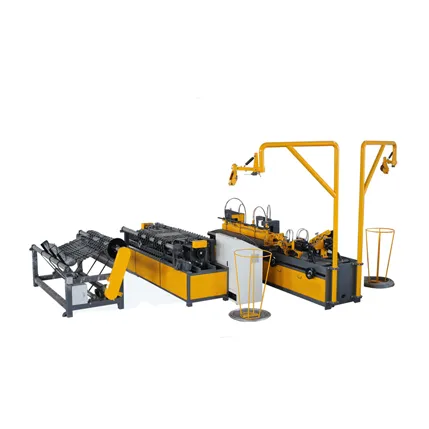
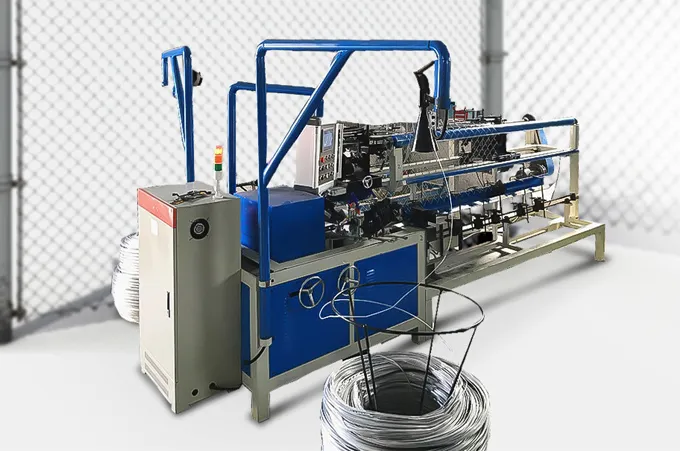
1. Wire Mesh Weaving Machine
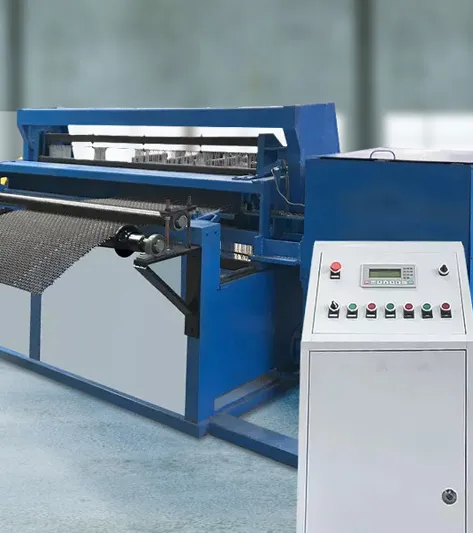
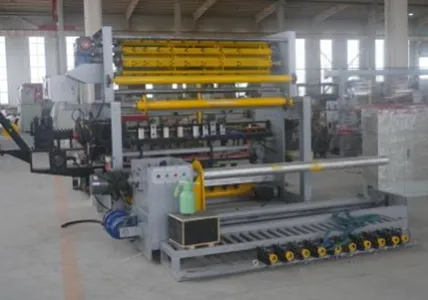
Wire mesh weaving machines interlace horizontal and vertical metal wires to form flexible and uniform mesh rolls. They are commonly used for producing stainless steel mesh, insect screens, and industrial filter mesh with adjustable mesh sizes and wire diameters.
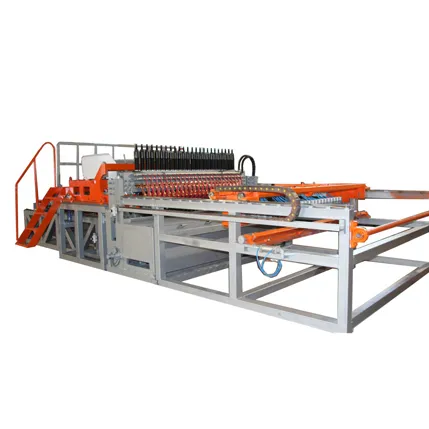
2. Wire Mesh Welding Machine
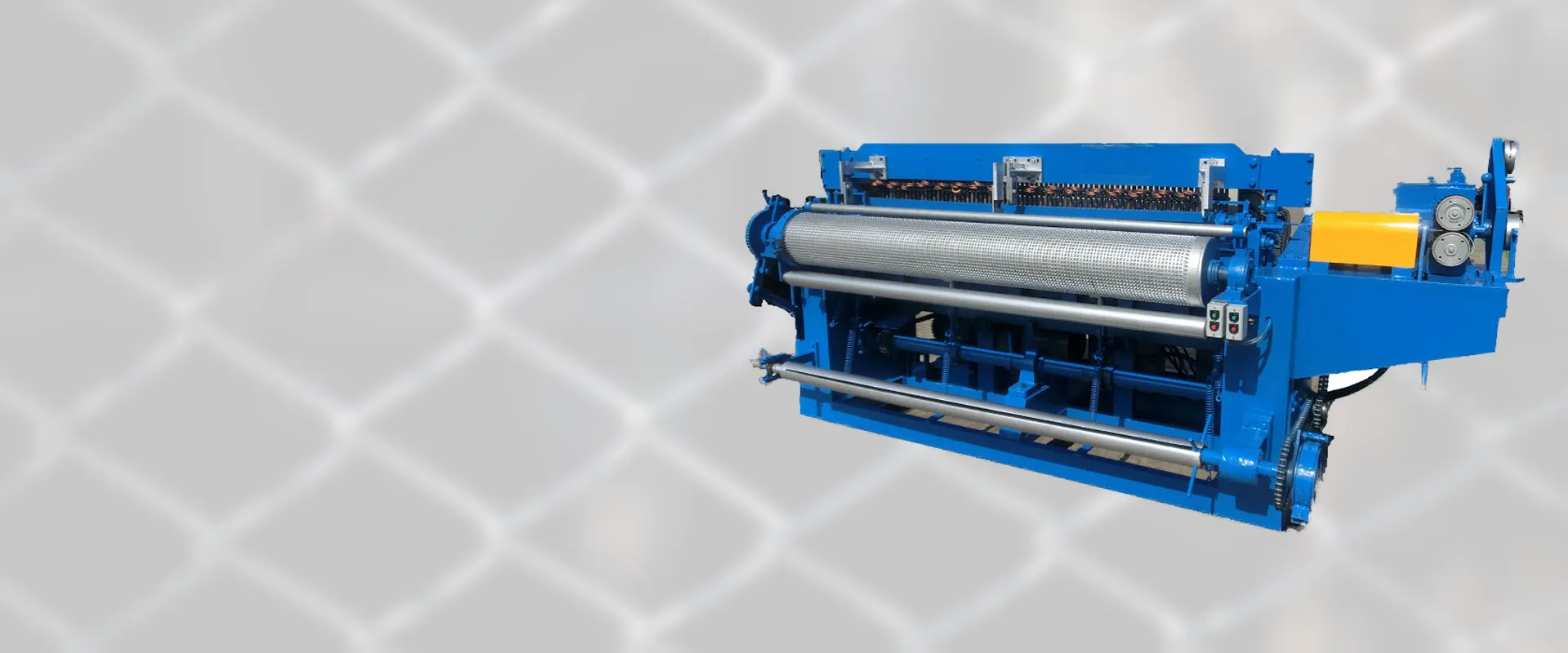
Welding machines use electric resistance to join intersecting wires at fixed points, creating rigid and strong mesh panels. These machines are ideal for producing construction mesh, fencing panels, and reinforcement mesh, offering high strength, durability, and consistent mesh spacing.
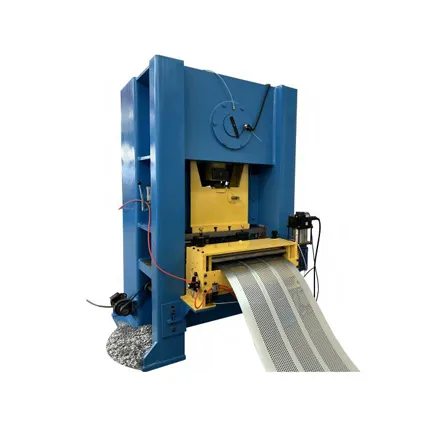
3. Wire Mesh Perforating Machine
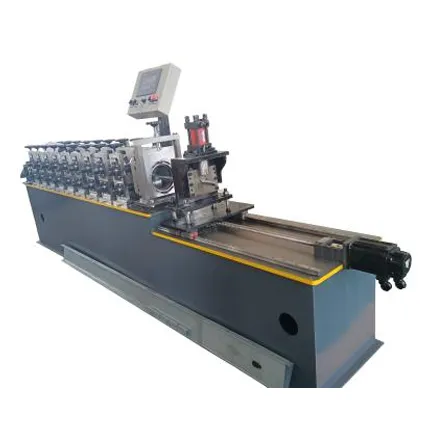
Perforating machines punch various hole patterns into metal sheets using dies and mechanical or hydraulic presses. They are widely used to manufacture decorative panels, ventilation covers, and safety screens, allowing for different shapes like round, square, or hexagonal holes.
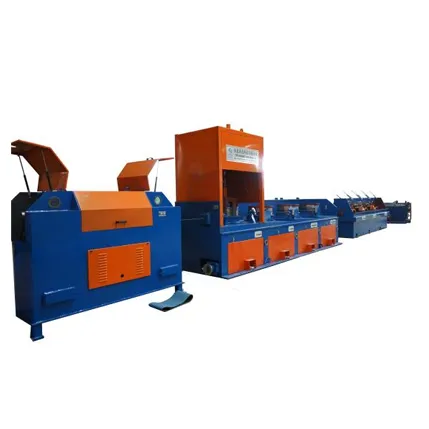
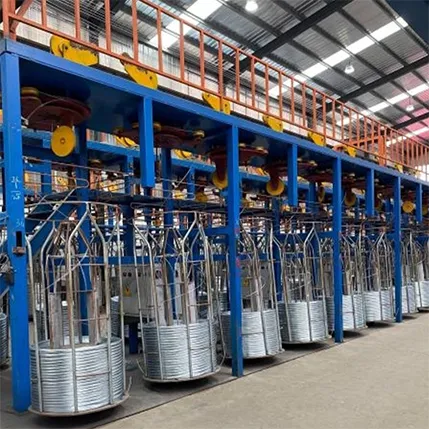
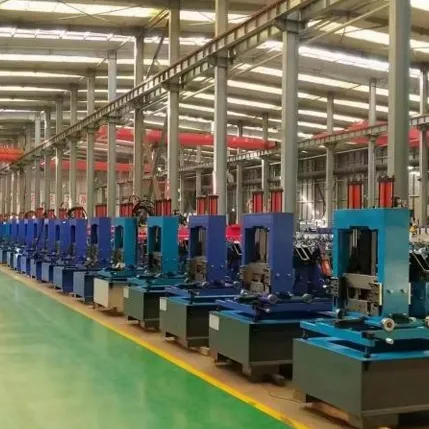
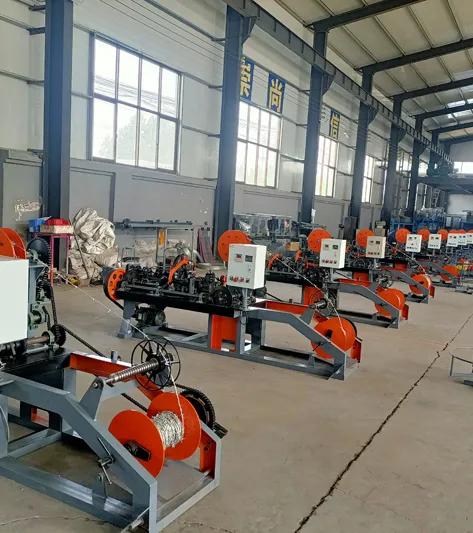
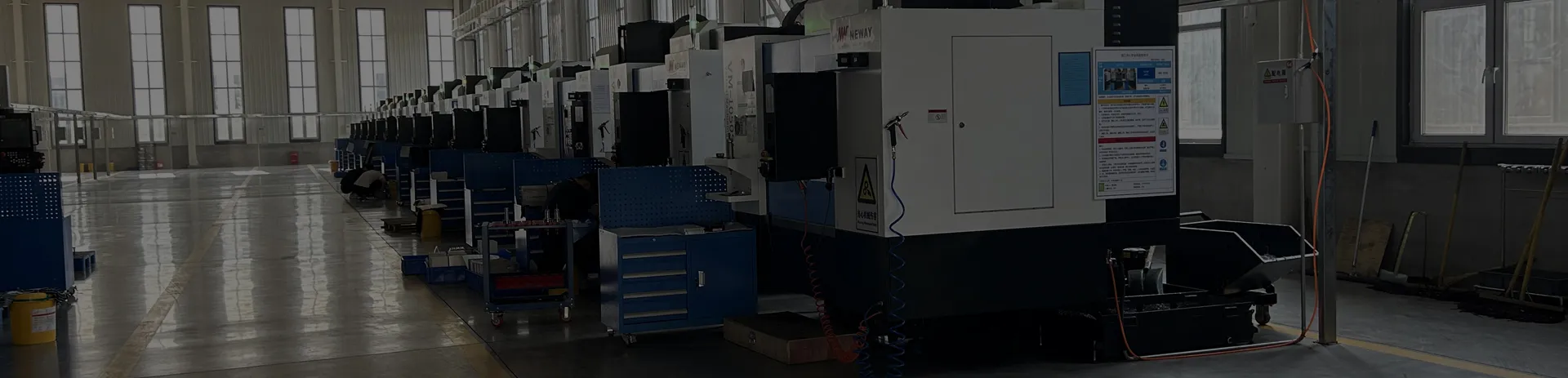
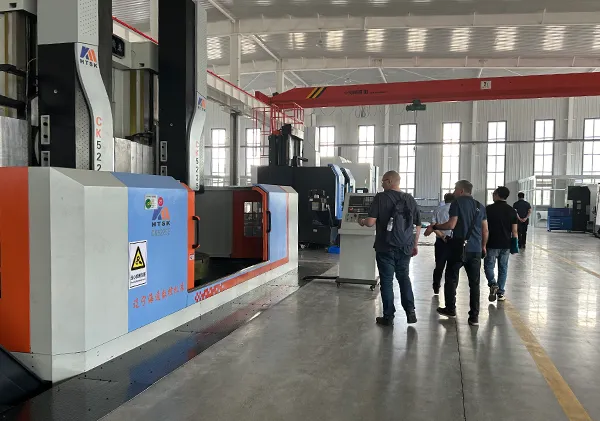
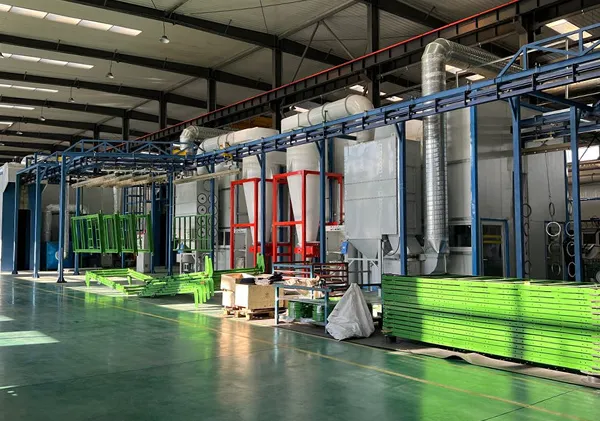
Our customized machines—such as galvanizing lines, perforated mesh machines, spraying systems, special machines and more—are designed and tailored based on the customer’s actual production requirements and factory layout. If a customer provides design drawings, we can manufacture accordingly.
In addition, standard machines can be partially customized based on the selected model and specific needs. Customizable options include:
PLC programming in different languages for easier operation;
Motors and key components, available in factory-standard models or from reputable brands like Schneider and Delta;
Machine color options to match customer preferences or factory branding.
In addition, for each machine, we will have a dedicated person responsible for tracking the progress of the entire process, from customization, production, debugging and factory tracking, and provide videos to fully protect the rights and interests of customers.
At the core of our manufacturing approach is a commitment to user-friendly operation, environmental sustainability, and cost efficiency—all while maintaining uncompromising product quality. We design our machinery and processes to be intuitive and easy to operate, minimizing training requirements and reducing human error.
Environmental protection is a key priority, as we integrate energy-saving technologies, waste-reduction systems, and eco-friendly materials into production. By optimizing resource use and minimizing emissions, we align with global green manufacturing standards.
Additionally, we focus on reducing production costs through smart automation, lean manufacturing, and durable design—ensuring affordability without sacrificing performance. The result is high-quality, reliable products delivered to end-user manufacturers, enhancing their productivity and competitiveness.
Ultimately, our goal is to provide innovative, sustainable, and cost-effective solutions that benefit both our customers and the planet.